

The African Foundry
African Historical Archive
Welcome to The African Foundry – African Historical Archive
This archive is dedicated to the careful study and documentation of Africa’s historical experience through disciplined research, critical analysis, and structured narrative. Our work engages with primary sources, established scholarship, and emerging perspectives to examine the forces, institutions, and ideas that have shaped the continent across time.
Each publication is developed with a commitment to clarity, accuracy, and intellectual rigor. We do not approach history as a static record, but as a field of inquiry; interrogating, contextualizing, and thoughtful interpreting Africa's past. In doing so, we seek to contribute to a more grounded and comprehensive understanding of Africa's historical journey and its continuing influence on present realities.
This African Historical Archive represents the foundational phase of The African Foundry’s broader mission. By building a strong base in research, publishing, and analytical storytelling, we are establishing the intellectual framework required to expand into wider fields of study, applied research, and solution-driven inquiry focused on Africa’s development and transformation.
“A curated Collection of Research Publications & Narratives on Africa’s Past”
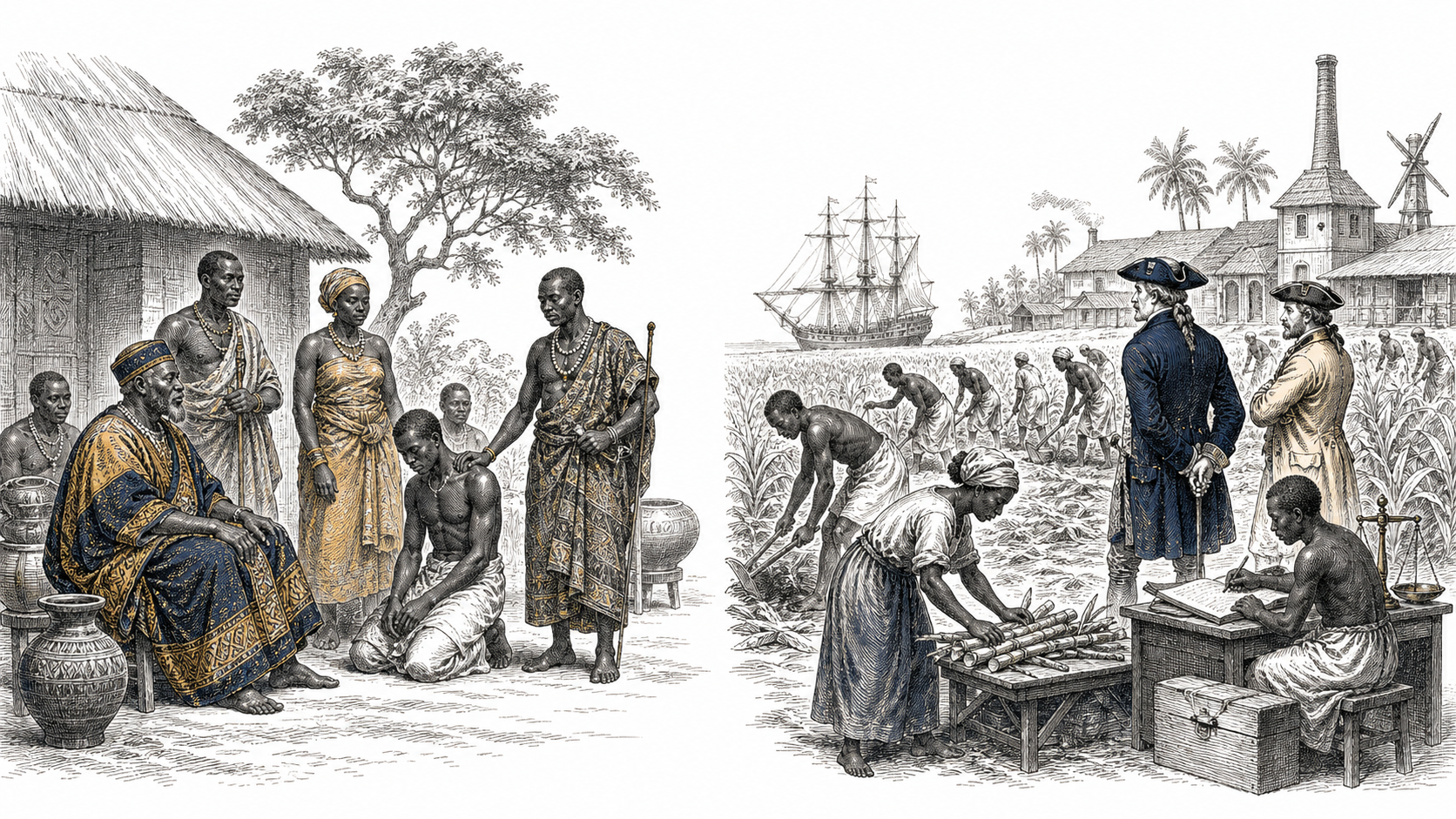
Did Africans Sell Other Africans? African Slavery vs. European Chattel Slavery: Why the Two Systems Were Not the Same
Slavery existed in Africa before Atlantic commerce—but the institution across the ocean was becoming something radically different. One system could absorb outsiders into households and political communities; the other converted African ancestry into permanent, inheritable property. When rulers and merchants exchanged captives across that divide, did both sides understand the same bargain—or were they building a catastrophe from two incompatible meanings of slavery?
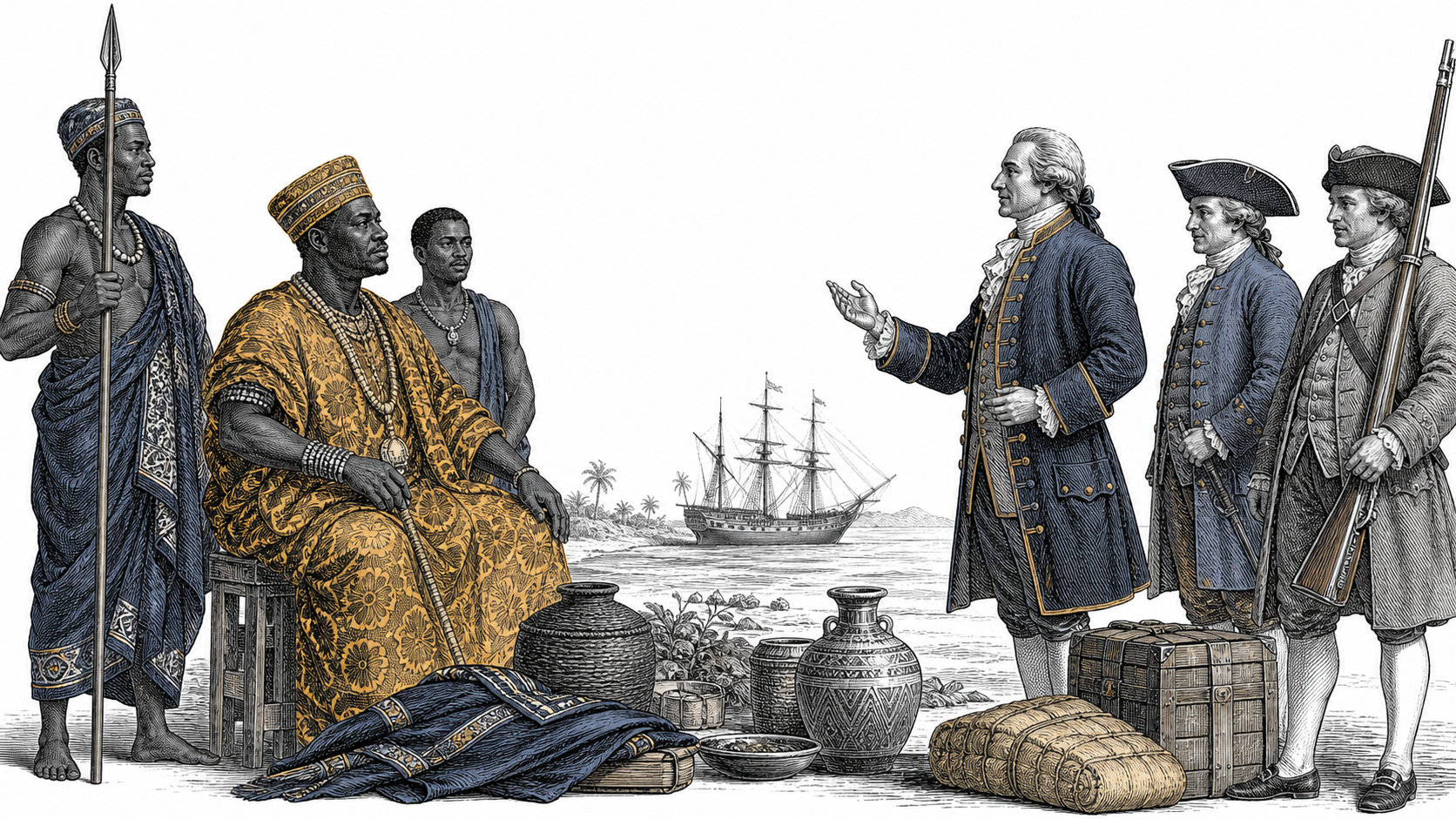
Did Africans Sell Other Africans? Voluntary or Coerced? The Nature of African Agency in the Atlantic Slave Trade
Some African rulers bargained with Atlantic merchants; others faced a system that made refusing increasingly dangerous. If participation could strengthen a kingdom while also tightening the forces that trapped it, where did strategy end and coercion begin? This paper follows coastal elites, inland communities, merchant networks and rival states across the Atlantic slave trade to examine how power, geography, firearms, dependency and incomplete knowledge shaped the uneven boundaries of African agency.
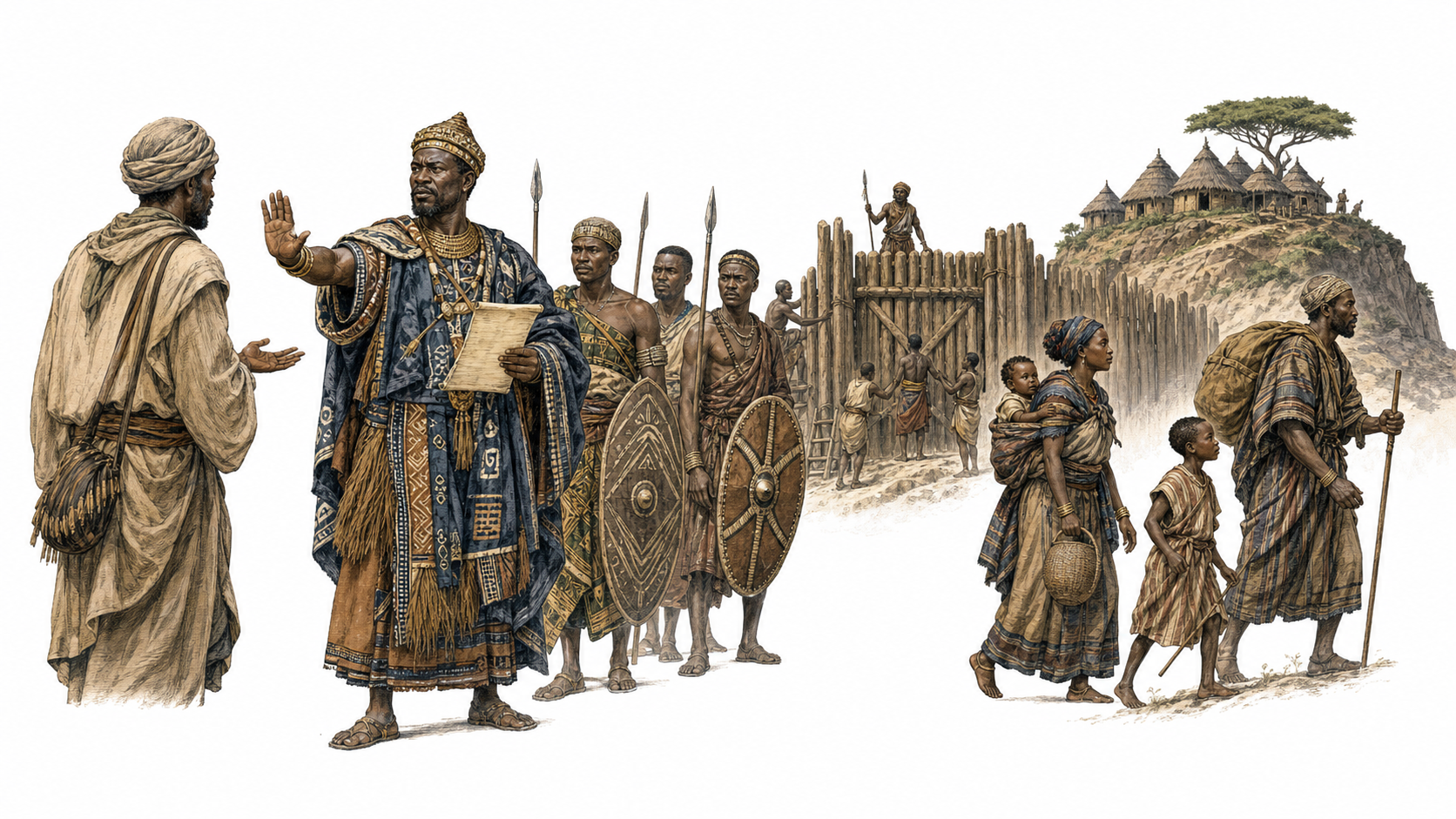
Did Africans Sell Other Africans? How African Communities Resisted, Refused, and Opposed the Slave Trade between 1400 and 1900.
The Atlantic slave trade promised wealth and weapons to some African powers, yet across the same continent rulers and communities were building walls, abandoning fertile homes, restricting exports and challenging foreign merchants to keep their people beyond its reach. From Afonso I’s protests in Kongo to Benin’s restrictions, Mossi defence, flight, escape and revolt, this paper asks why resistance persisted—and why even determined opposition so rarely broke the wider system.
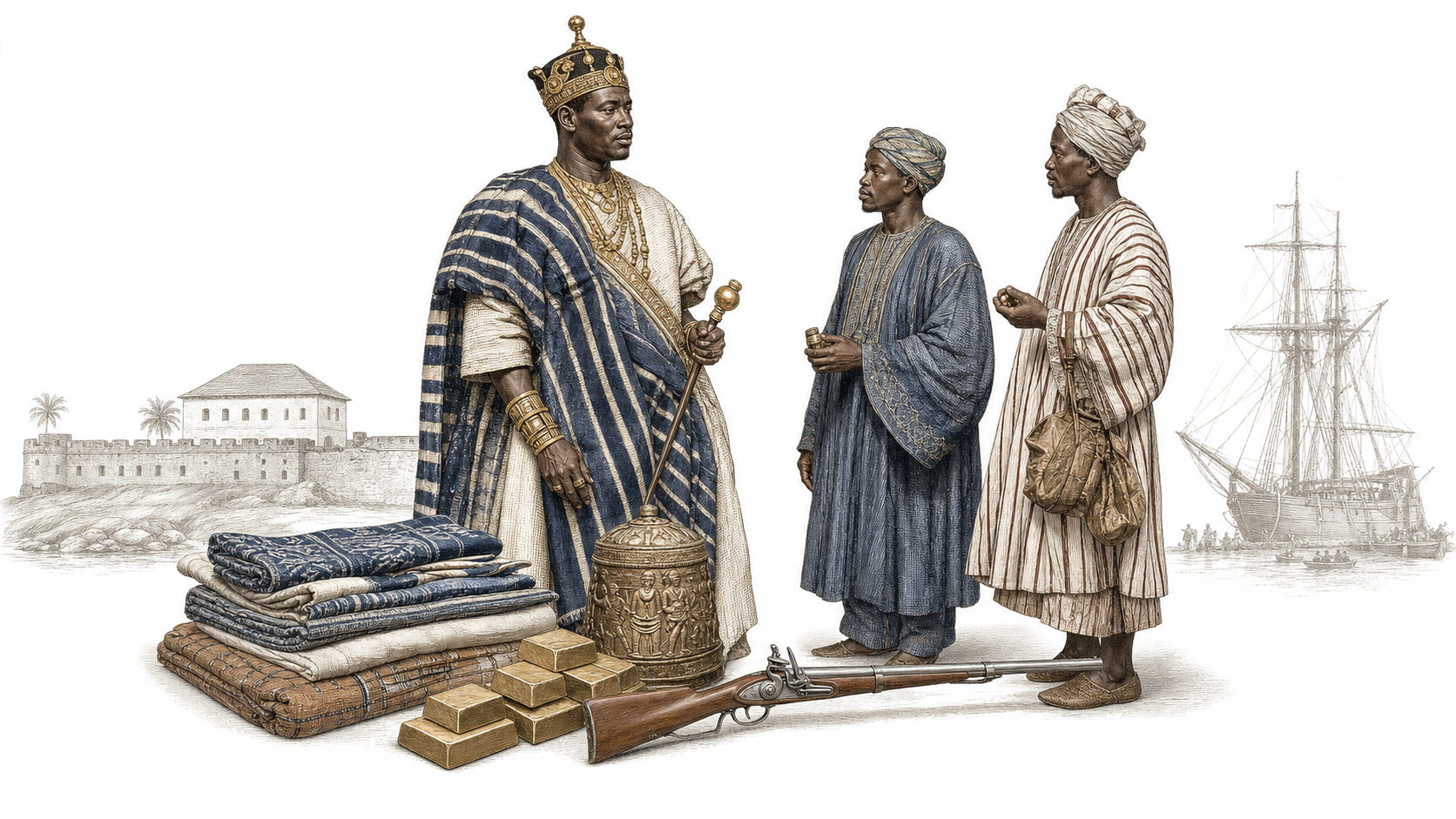
Did Africans Sell Other Africans? Power, Profit, and Political Advantage: Why African Rulers and Merchants Participated in the Slave Trade
Here lies the central irony of African participation in the Atlantic slave trade: rulers sought firearms, wealth and political security through a commerce that deepened warfare, sharpened rivalries and made withdrawal ever more dangerous. From Dahomey and Asante to Oyo and the Bight of Biafra, this study follows the cycle linking captives, imported goods, patronage and state power—and asks when strategic advantage became a trap that strengthened kingdoms while sustaining a system of devastating human loss.
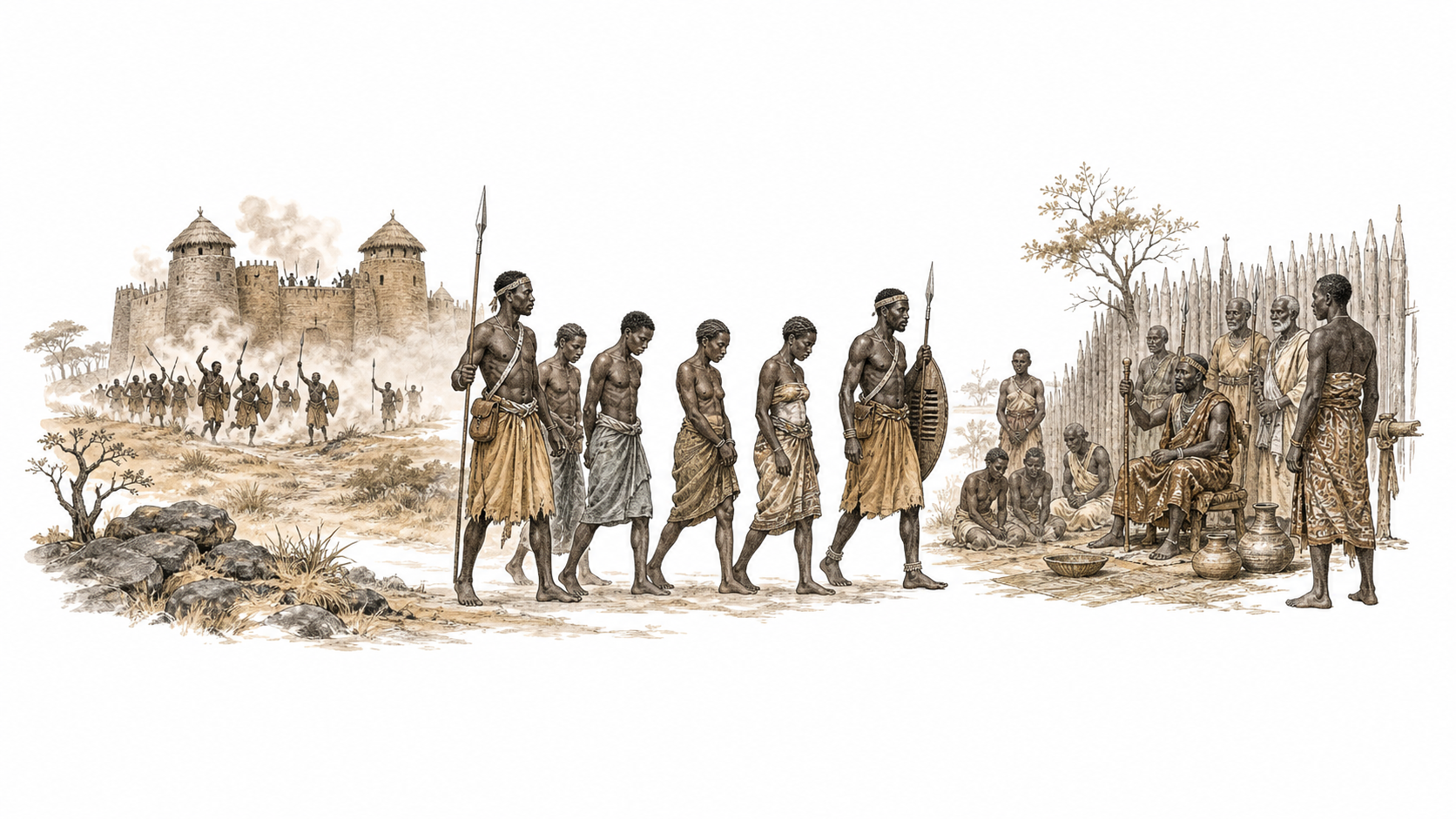
Did Africans Sell Other Africans? The Wars, Raids, and African Systems That Fed the Slave Trade
Behind the familiar question—did Africans sell other Africans?—lies a far more complicated world of war captives, raids, punishment, debt, tribute and markets. Follow the hidden systems that moved people toward the coast and discover why the answer resists every simple verdict.
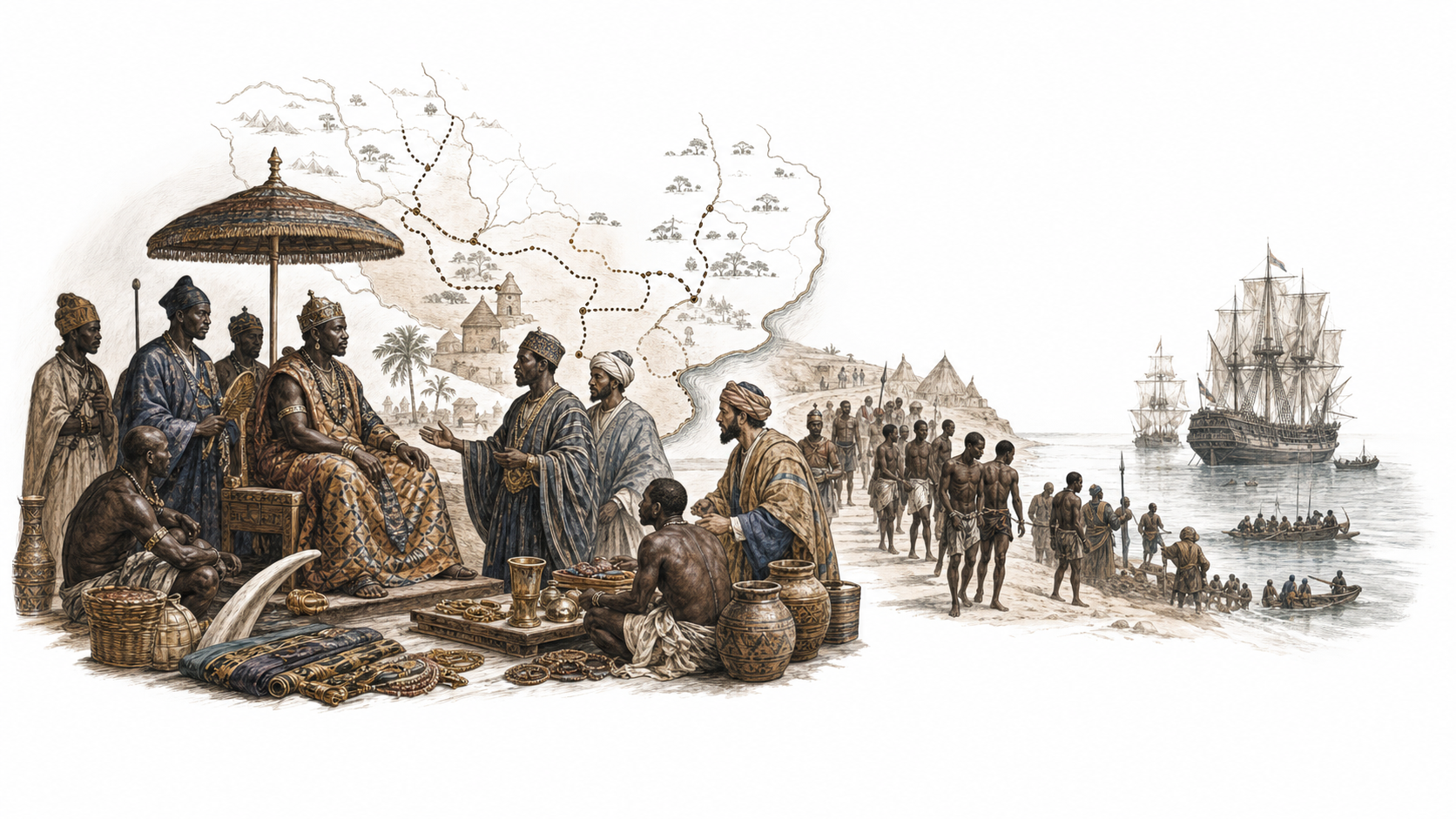
Did Africans Sell Other Africans? The African Kings, Merchants, and Kingdoms Behind the Slave Trade
Did Africans sell other Africans? This publication examines the African kings, merchants, brokers and kingdoms involved in the Atlantic slave trade, including Dahomey, Oyo, Asante and Kongo, while explaining the wider European demand and political forces that shaped the trade.
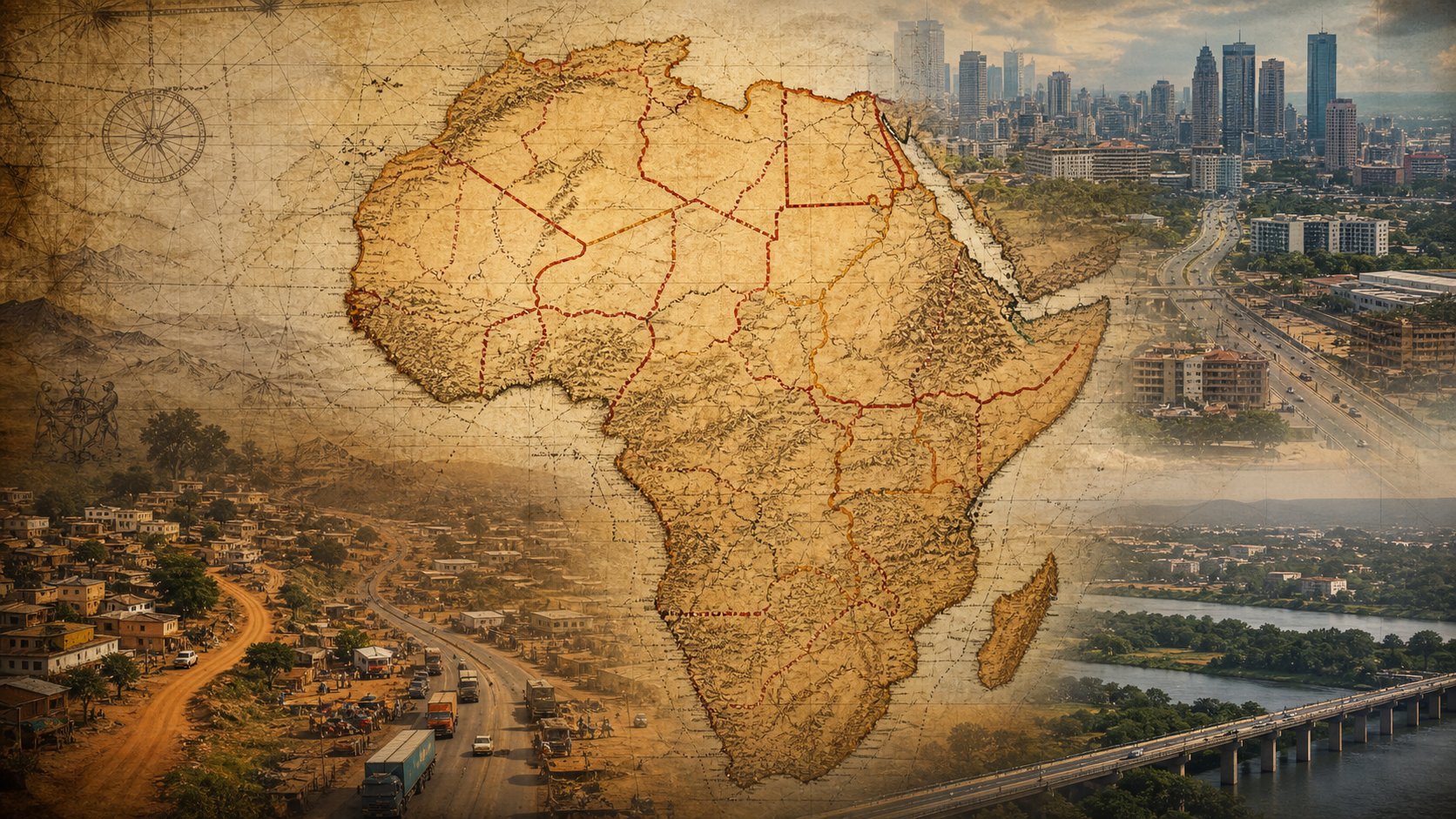
How Colonial Borders Drawn During the Scramble for Africa Continue to Shape Modern Africa.
Africa’s colonial borders outlived empire. This research paper examines how lines drawn during the Scramble for Africa continue to influence conflict, governance, identity, economic fragmentation, and regional integration across the continent.
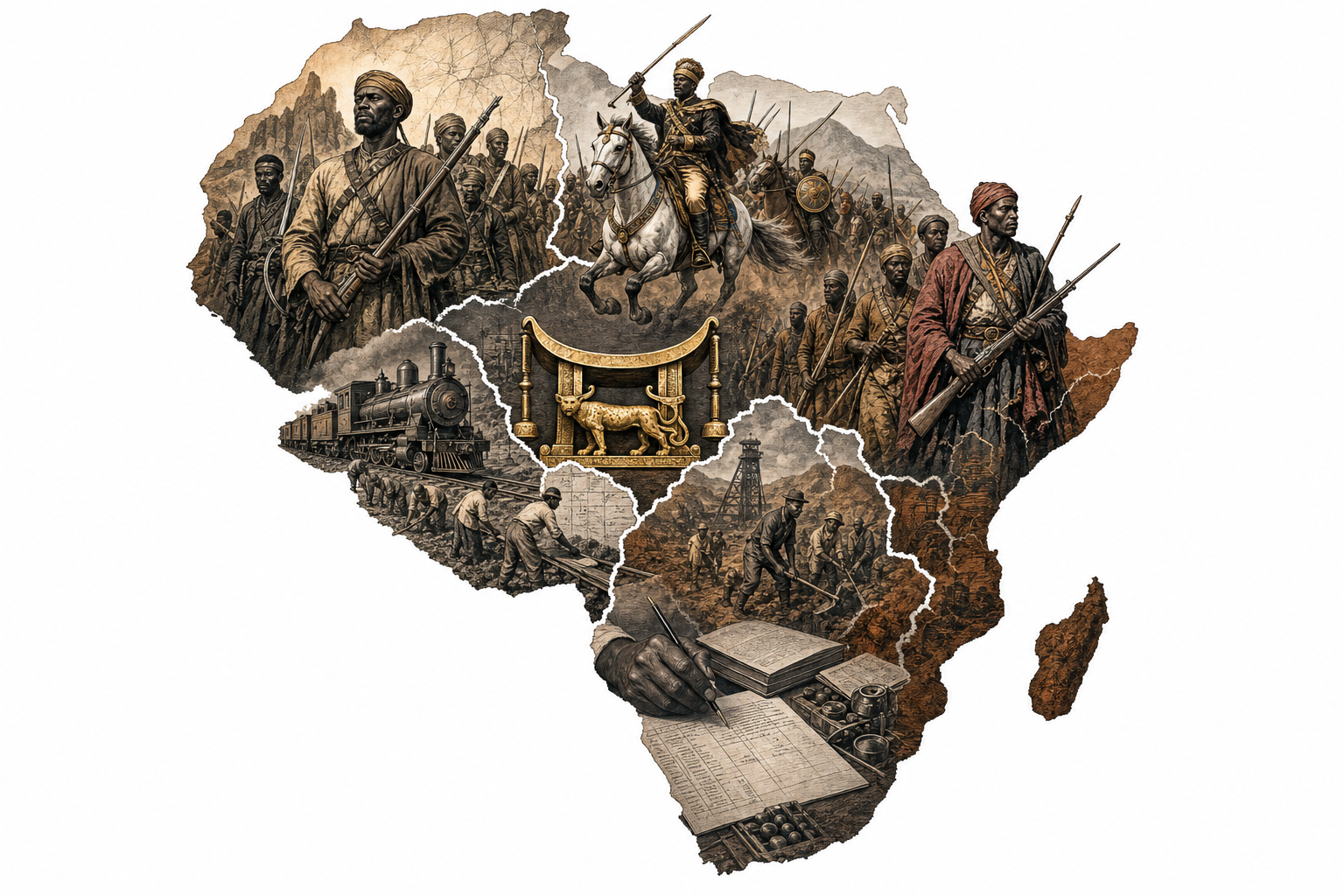
How African societies resisted European conquest and how colonial rule reshaped the continent
Africa did not surrender in silence. From Adwa and Isandlwana to guerrilla campaigns, sacred symbols, diplomacy and spiritual revolt, African societies fought to defend sovereignty—yet conquest transformed borders, government, labor, culture and identity. How did resistance survive overwhelming imperial power, and how did colonial rule unintentionally plant the seeds of nationalism and Pan-African liberation?
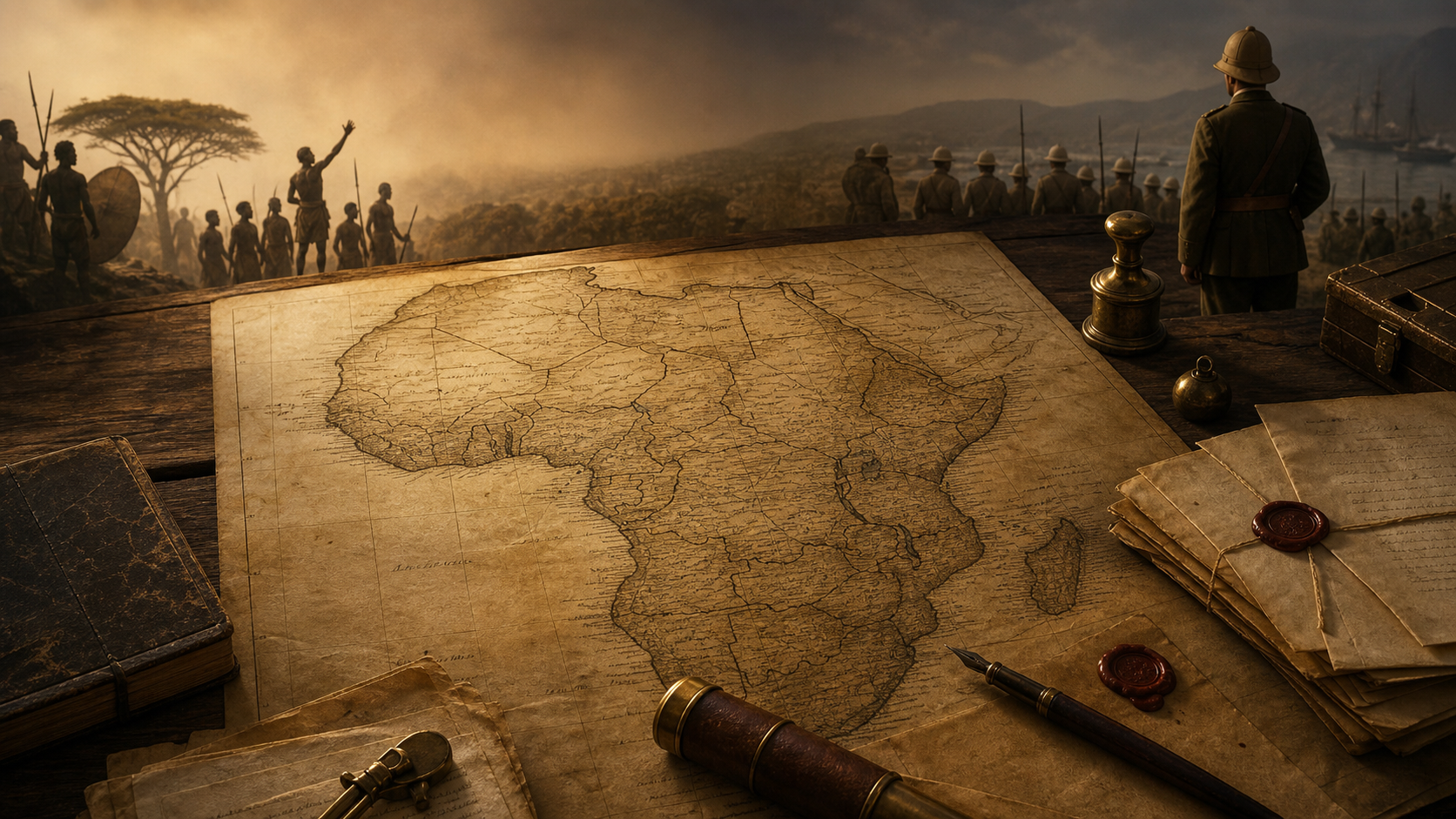
How European Colonial Powers Conquered and Controlled Africa Through Force, Treaties and Colonial Rule
When Europe’s empires divided Africa on paper, the true contest began on the ground. This article follows the armies, treaties, chiefs, tax systems and colonial offices that turned diplomatic claims into lived domination across the continent. But beneath the machinery of conquest lay a deeper struggle over authority, identity and survival: how did foreign rule secure power so quickly, and what hidden structures did it leave behind?
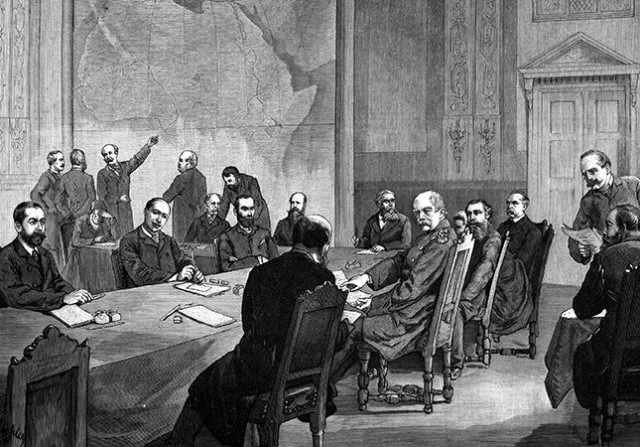
How European Colonial Powers Divided Africa Among Themselves at the Berlin Conference and Drew the Borders That Still Shape the Continent Today.
No African ruler sat at the table, yet decisions made in a European city would reshape an entire continent. Behind the language of diplomacy, free trade, and international order, European powers created a framework for conquest, occupation, and partition. This is the story of how Africa was divided, how borders were drawn across kingdoms, communities, and trade networks, and why those lines continue to shape the continent more than a century later.
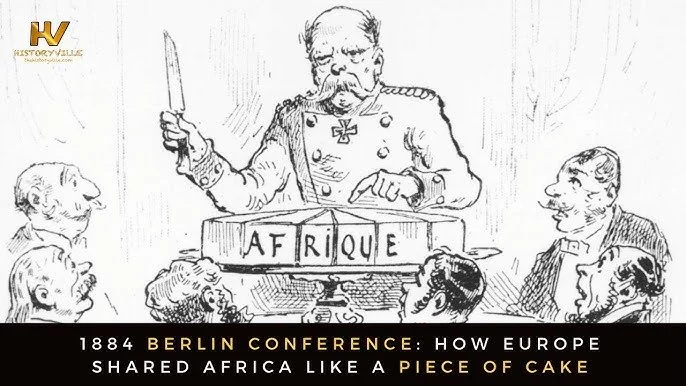
How Europe’s Hunger for Power and Wealth Fueled the Scramble and Partition of Africa in the Late 19th Century.
The Scramble for Africa did not begin with maps or treaties—it began with hunger. As factories roared across Europe, empires grew restless, searching for resources, markets, prestige, and power. From industrial cities to African frontiers, explorers, missionaries, and ideologies turned ambition into action. This is the story of how Europe’s hunger transformed a continent into the center of a global imperial race.
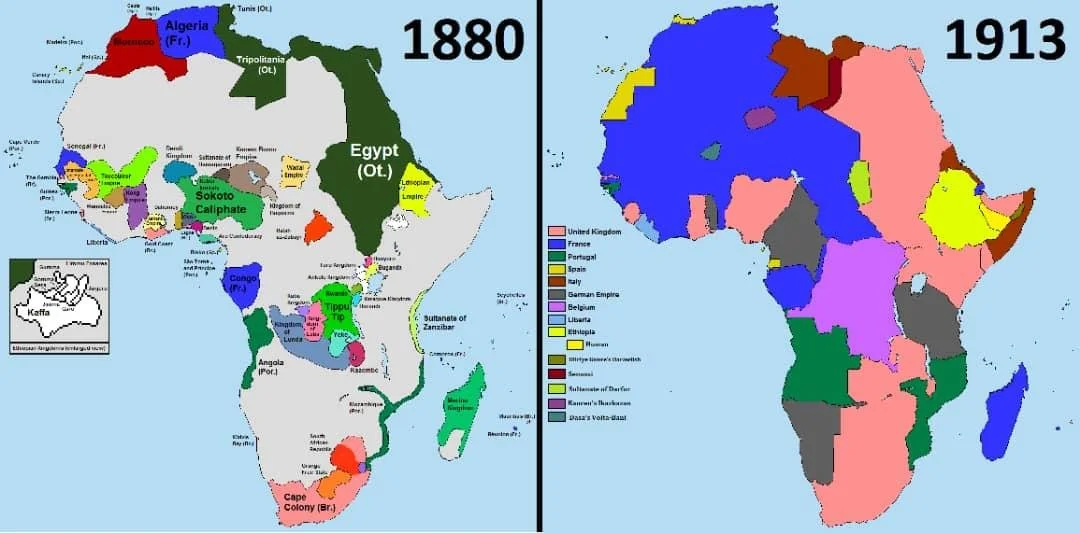
How European Colonial Powers Suddenly Began the Scramble for Africa in the Late 19th Century.
For centuries, Europe lingered cautiously along Africa’s coastlines. Then, within a single generation, nearly an entire continent was seized by foreign empires. What changed? From European battlefields to the Congo and the Suez Canal, a chain of rivalries, crises, and ambitions ignited a race for Africa that would reshape the continent forever.
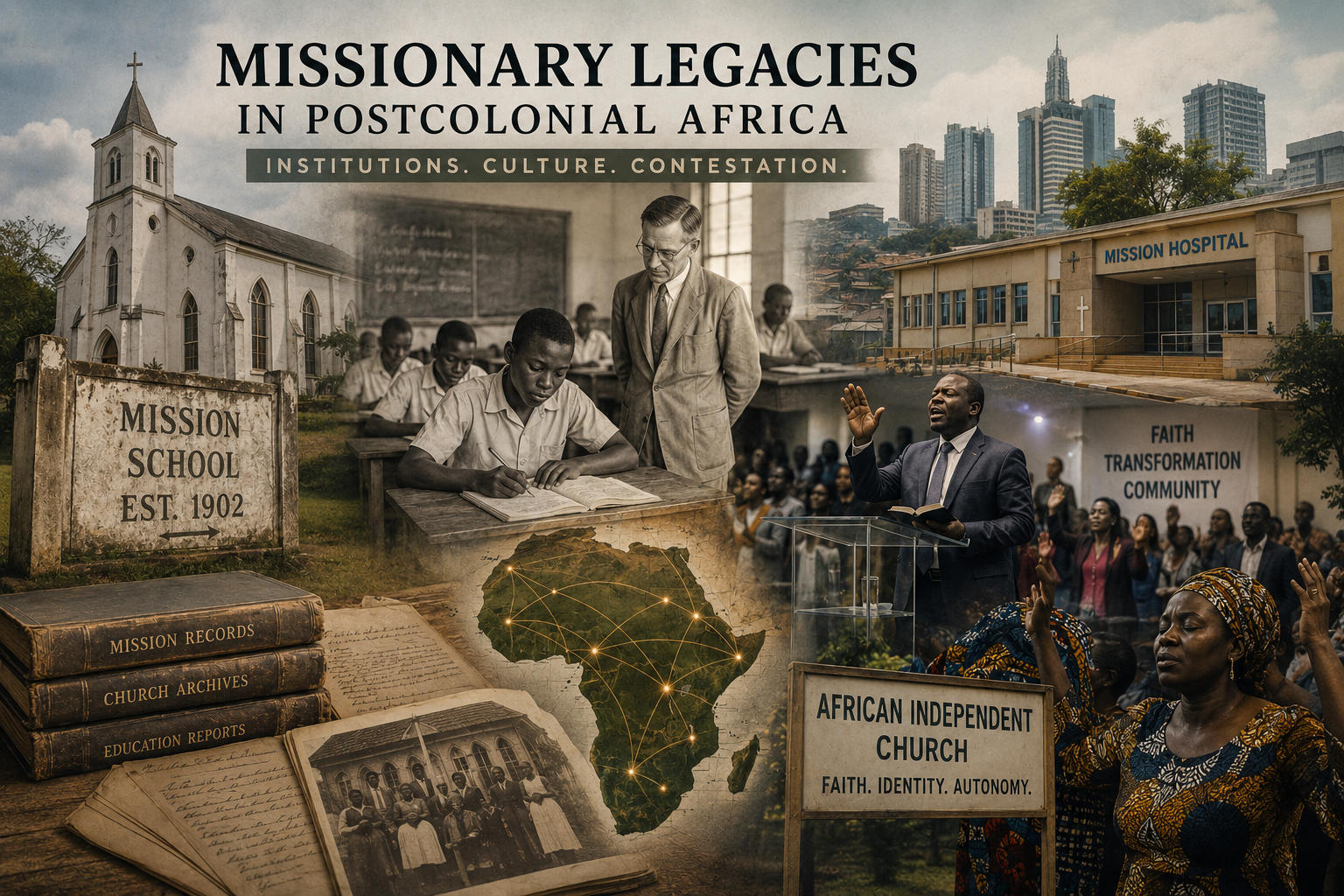
How Missionary Legacies Continue to Shape Postcolonial Africa: Institutions, Culture, and Contestation (1960s–Present)
The missionaries never truly left Africa. Long after colonial flags fell across African societies, the schools, churches, hospitals, archives, moral systems, and social hierarchies they helped build remain woven into everyday life of African people. Yet the same institutions that once carried missionary and imperial influence would become debate grounds over land, memory, identity, power, culture, and the future direction of postcolonial Africa itself.
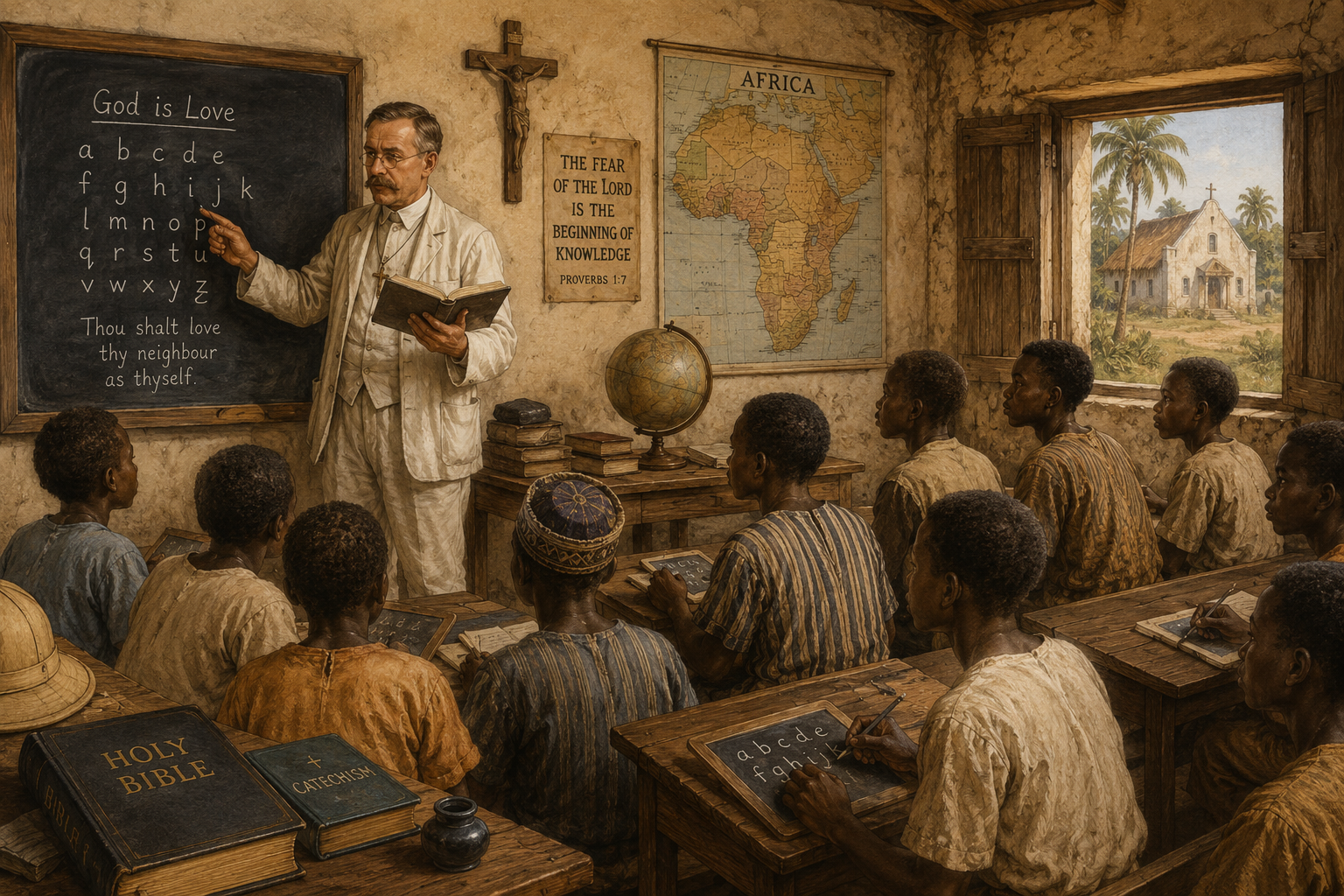
How Missionary Education Reshaped African Societies: Literacy, Power, and Resistance Before Independence (19th Century–1960s)
Missionary schools in Africa did far more than spread Christianity. They introduced literacy, vocational training, new moral systems, and pathways into commerce, administration, and urban professional life, while simultaneously reshaping class structures, political thought, religious authority, and social identity. Yet within the very classrooms built to support missionary and colonial order, Africans also acquired the tools through which they would redefine Christianity, challenge colonial rule, and imagine independent futures.
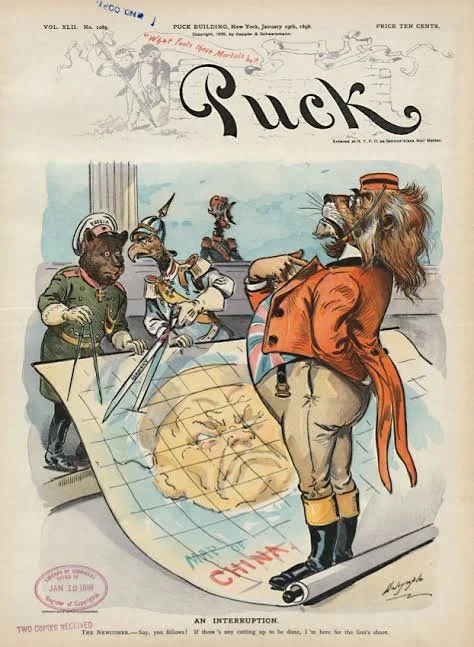
How Missionary Networks Helped Shape Colonial Rule in Africa (1870s–1914)
As missionary networks spread across Africa during the Scramble for Africa, the same schools, missions, and converts built to spread Christianity became the channels through which colonial rule advanced, resisted, and transformed the continent forever.
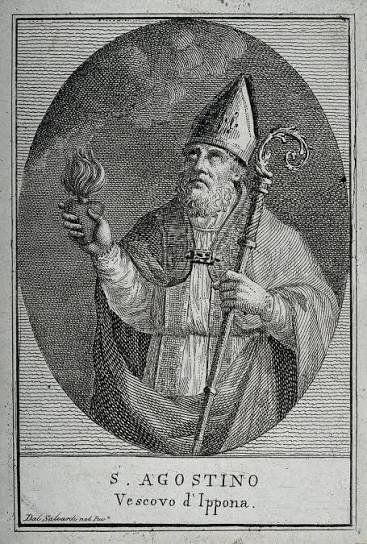
How Missionary Systems Took Root in Africa: Expansion and Institutional Formation Before Colonial Rule (18th–19th Century)
Missionaries journeyed to Africa to preach salvation—but built systems. As missionaries moved across Africa, organizing societies, establishing schools, creating written vernaculars through translation, and founding mission stations, they did more than spread Christianity: they created durable networks of authority, mediation, and dependency that would anchor foreign influence long before colonial rule formally arrived.
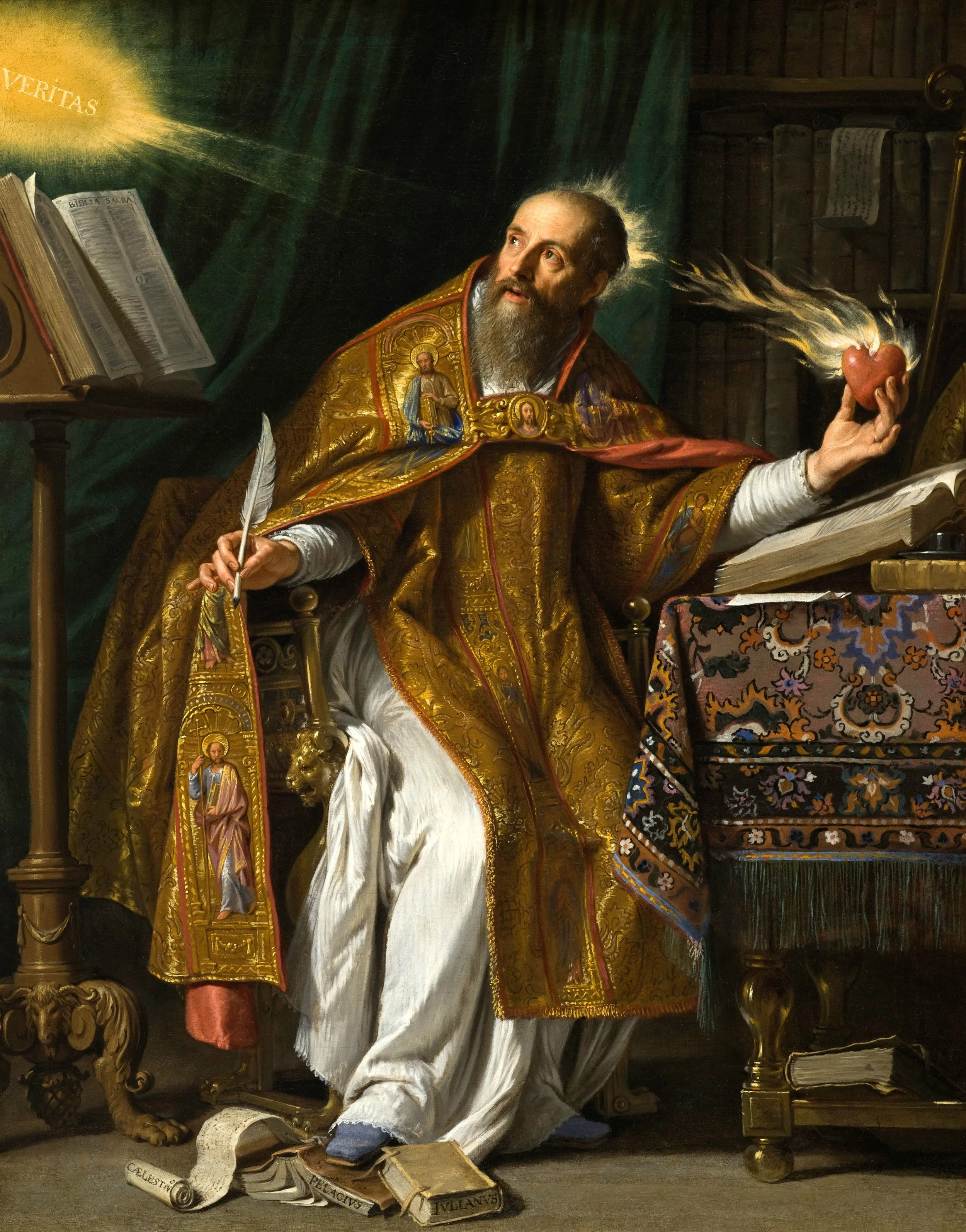
How Christianity First Reached Africa: Pre-Colonial Missions and African Responses
Before colonialism, Africa was already shaping Christianity. When European missionaries finally arrived, they didn’t introduce a new faith—they entered a continent that could accept, reshape, or reject them. This is the untold story of power, negotiation, and belief that defined the very first missionary encounters in Africa.
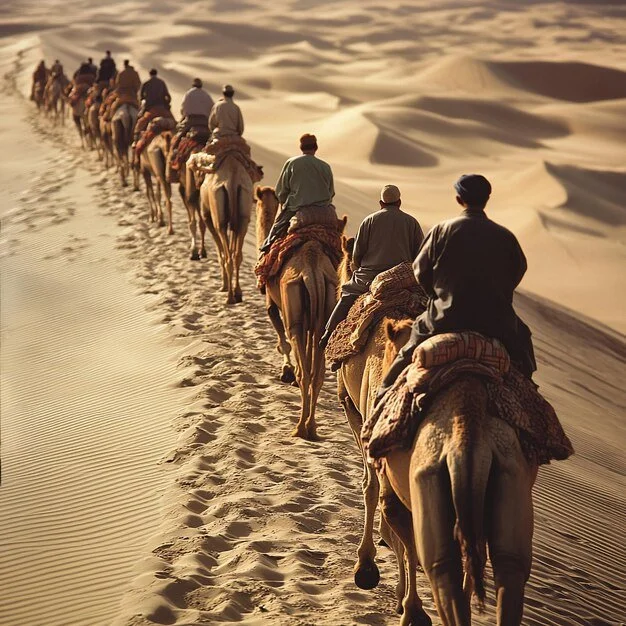
Arabs and Africa: Trade, Conquest, and the Founding of a New African Order!
When Arab traders and conquerors entered North Africa and East Africa, they did more than trade—they built networks, spread Islam, and established legal and commercial systems that reshaped the continent’s order. From trans-Saharan caravan routes to Indian Ocean commerce, Arabic language, Islamic institutions, and mercantile structures became embedded in emerging urban societies.
By the time European colonial powers arrived, many regions were already integrated through Arab commercial corridors and Swahili civilization. The real question is not whether Arabs influenced Africa—but how deeply their trade, conquest, and religious diffusion structured markets and authority that outlived colonial rule.
Were these networks temporary exchanges, or did they form enduring foundations across North Africa, East Africa, and trans-Saharan Africa? And how much of Africa’s modern identity, language, and economic life still carries their imprint? This study explores the evidence—and the implications.
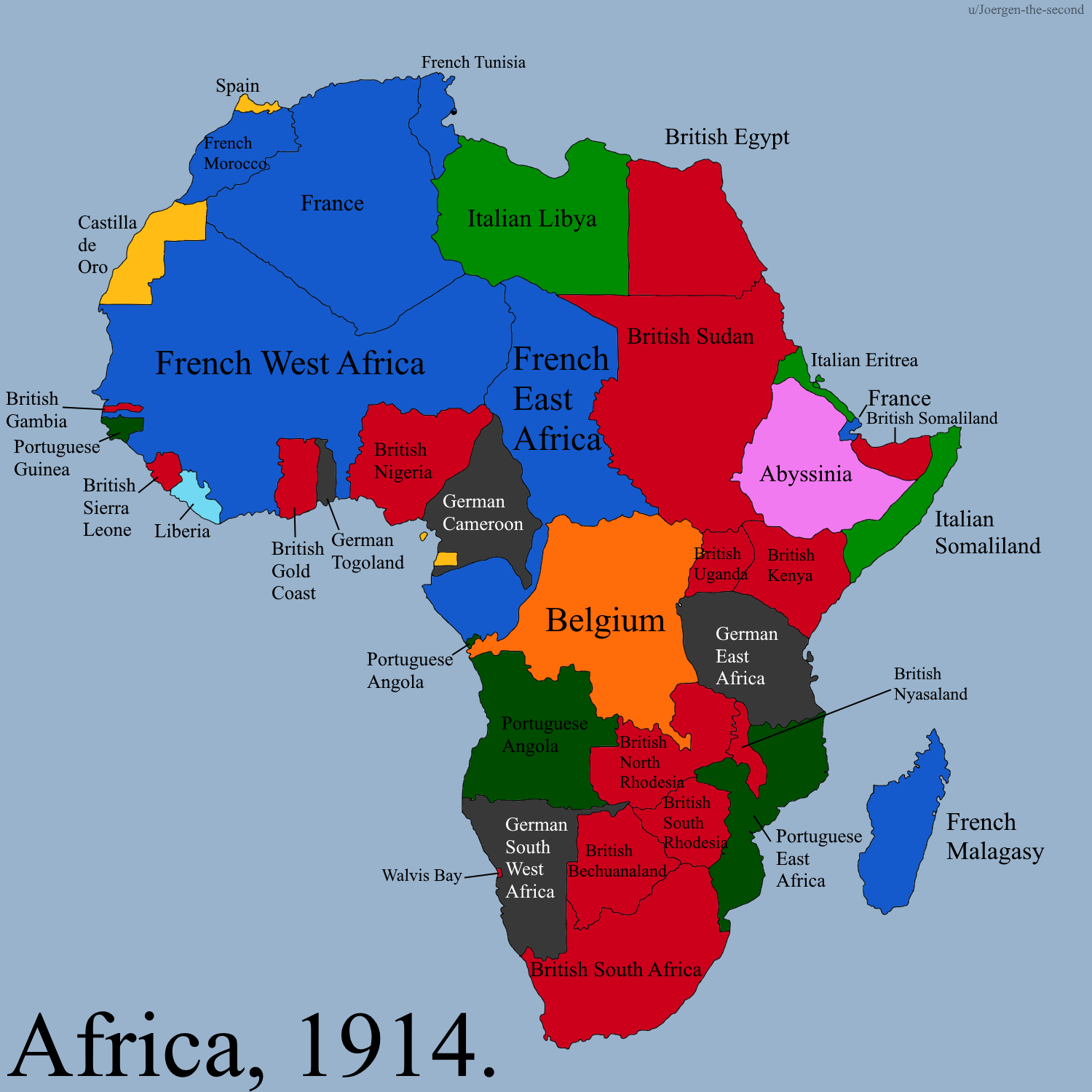
Why Africa Was Not Colonized Sooner, Truth Behind the Delay!
For more than four centuries, Europe circled Africa but could not conquer it. Powerful kingdoms, sophisticated diplomacy, deadly disease environments, and military parity held imperial ambition at bay—until a sudden convergence of technology, medicine, capital, and politics shattered the balance. This paper uncovers the forgotten truth behind the delay, revealing why Africa was not colonised sooner—and why the Scramble happened with such violent speed.
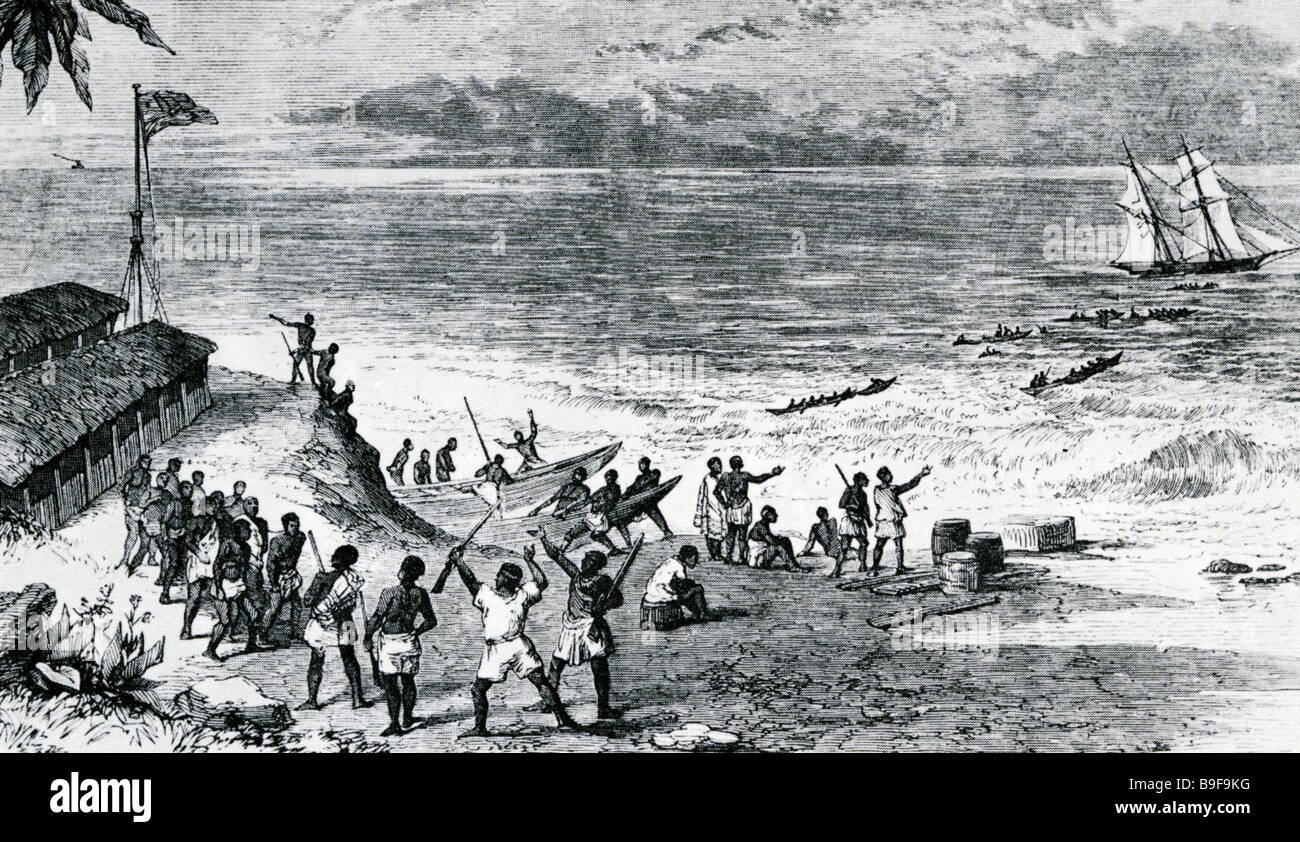
Did Africans Sell Other Africans? The Complex Truth.
When the world asks whether Africans sold other Africans, this investigation cuts through myth and blame to reveal a gripping truth: a continent fractured by war, coerced by global forces, and trapped between its own political realities and the rising brutality of European chattel slavery. What emerges is not a story of betrayal, but a tragic collision of power, coercion, misunderstanding, and survival — this paper takes you on a revelatory journey, a journey seeking for the truth about the transatlantic slave trade and the part played by Africans in it.