

The African Foundry
African Historical Archive
Welcome to The African Foundry – African Historical Archive
This archive is dedicated to the careful study and documentation of Africa’s historical experience through disciplined research, critical analysis, and structured narrative. Our work engages with primary sources, established scholarship, and emerging perspectives to examine the forces, institutions, and ideas that have shaped the continent across time.
Each publication is developed with a commitment to clarity, accuracy, and intellectual rigor. We do not approach history as a static record, but as a field of inquiry; interrogating, contextualizing, and thoughtful interpreting Africa's past. In doing so, we seek to contribute to a more grounded and comprehensive understanding of Africa's historical journey and its continuing influence on present realities.
This African Historical Archive represents the foundational phase of The African Foundry’s broader mission. By building a strong base in research, publishing, and analytical storytelling, we are establishing the intellectual framework required to expand into wider fields of study, applied research, and solution-driven inquiry focused on Africa’s development and transformation.
“A curated Collection of Research Publications & Narratives on Africa’s Past”
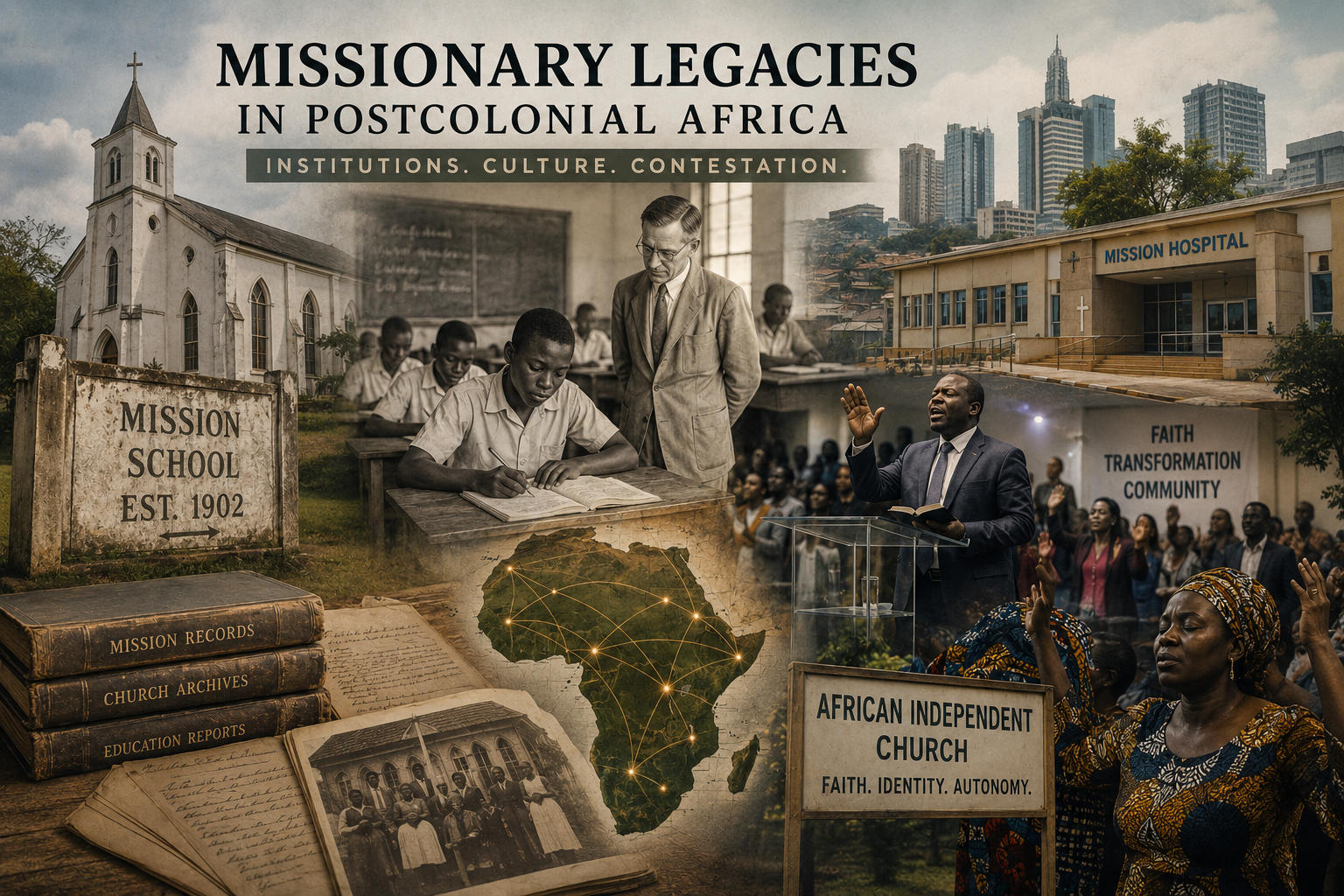
How Missionary Legacies Continue to Shape Postcolonial Africa: Institutions, Culture, and Contestation (1960s–Present)
The missionaries never truly left Africa. Long after colonial flags fell across African societies, the schools, churches, hospitals, archives, moral systems, and social hierarchies they helped build remain woven into everyday life of African people. Yet the same institutions that once carried missionary and imperial influence would become debate grounds over land, memory, identity, power, culture, and the future direction of postcolonial Africa itself.
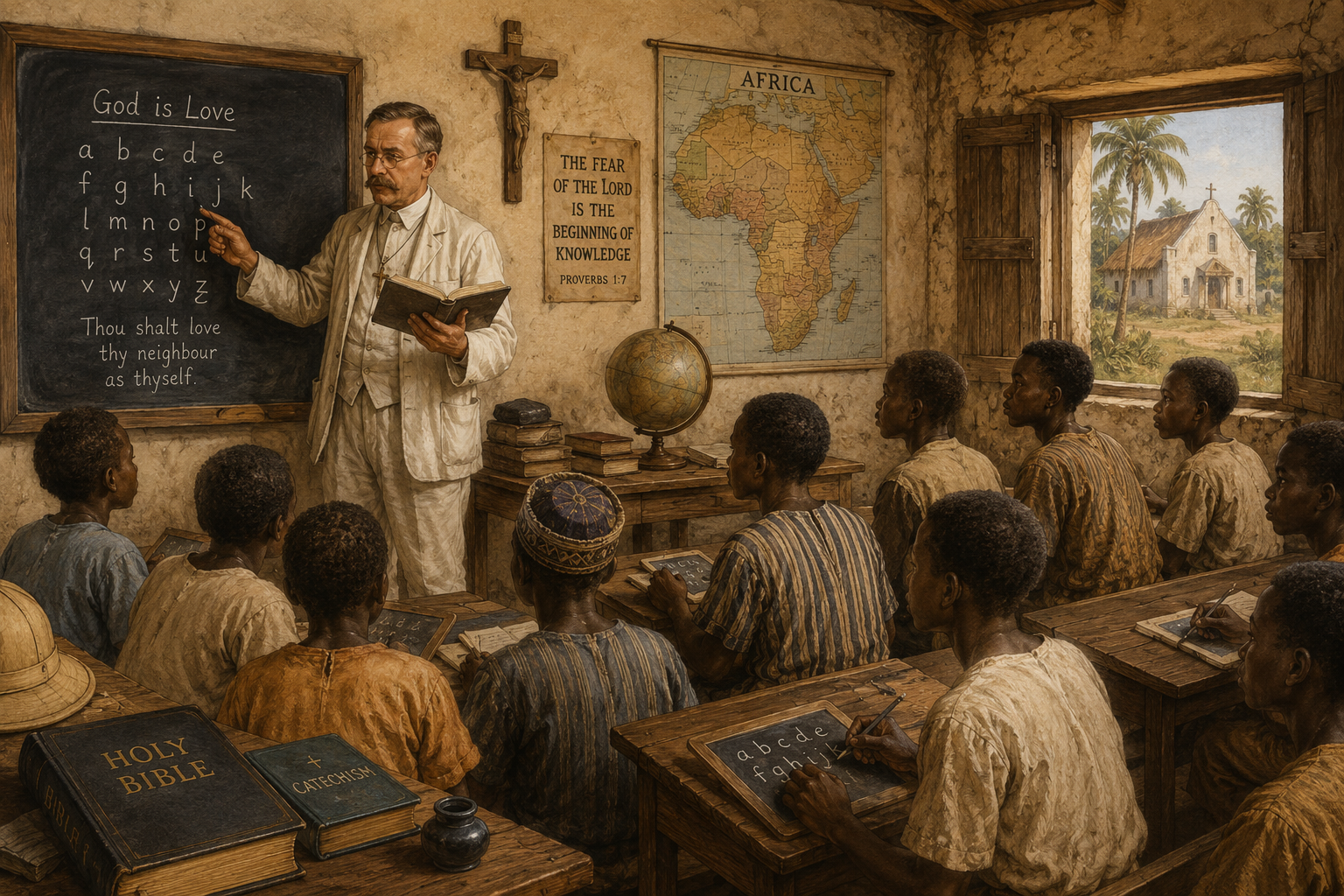
How Missionary Education Reshaped African Societies: Literacy, Power, and Resistance Before Independence (19th Century–1960s)
Missionary schools in Africa did far more than spread Christianity. They introduced literacy, vocational training, new moral systems, and pathways into commerce, administration, and urban professional life, while simultaneously reshaping class structures, political thought, religious authority, and social identity. Yet within the very classrooms built to support missionary and colonial order, Africans also acquired the tools through which they would redefine Christianity, challenge colonial rule, and imagine independent futures.
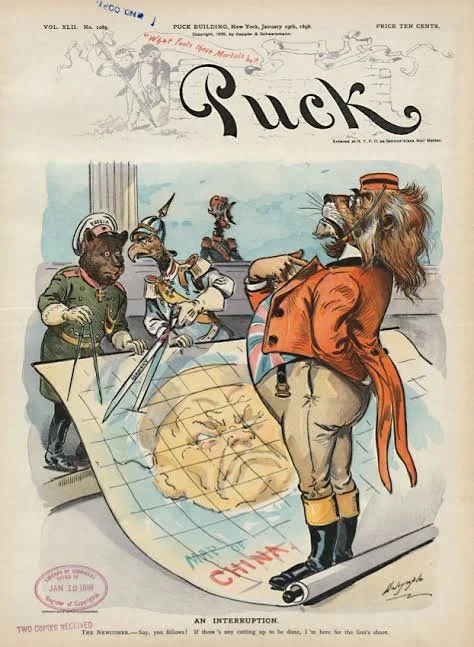
How Missionary Networks Helped Shape Colonial Rule in Africa (1870s–1914)
As missionary networks spread across Africa during the Scramble for Africa, the same schools, missions, and converts built to spread Christianity became the channels through which colonial rule advanced, resisted, and transformed the continent forever.

How Missionary Systems Took Root in Africa: Expansion and Institutional Formation Before Colonial Rule (18th–19th Century)
Missionaries journeyed to Africa to preach salvation—but built systems. As missionaries moved across Africa, organizing societies, establishing schools, creating written vernaculars through translation, and founding mission stations, they did more than spread Christianity: they created durable networks of authority, mediation, and dependency that would anchor foreign influence long before colonial rule formally arrived.
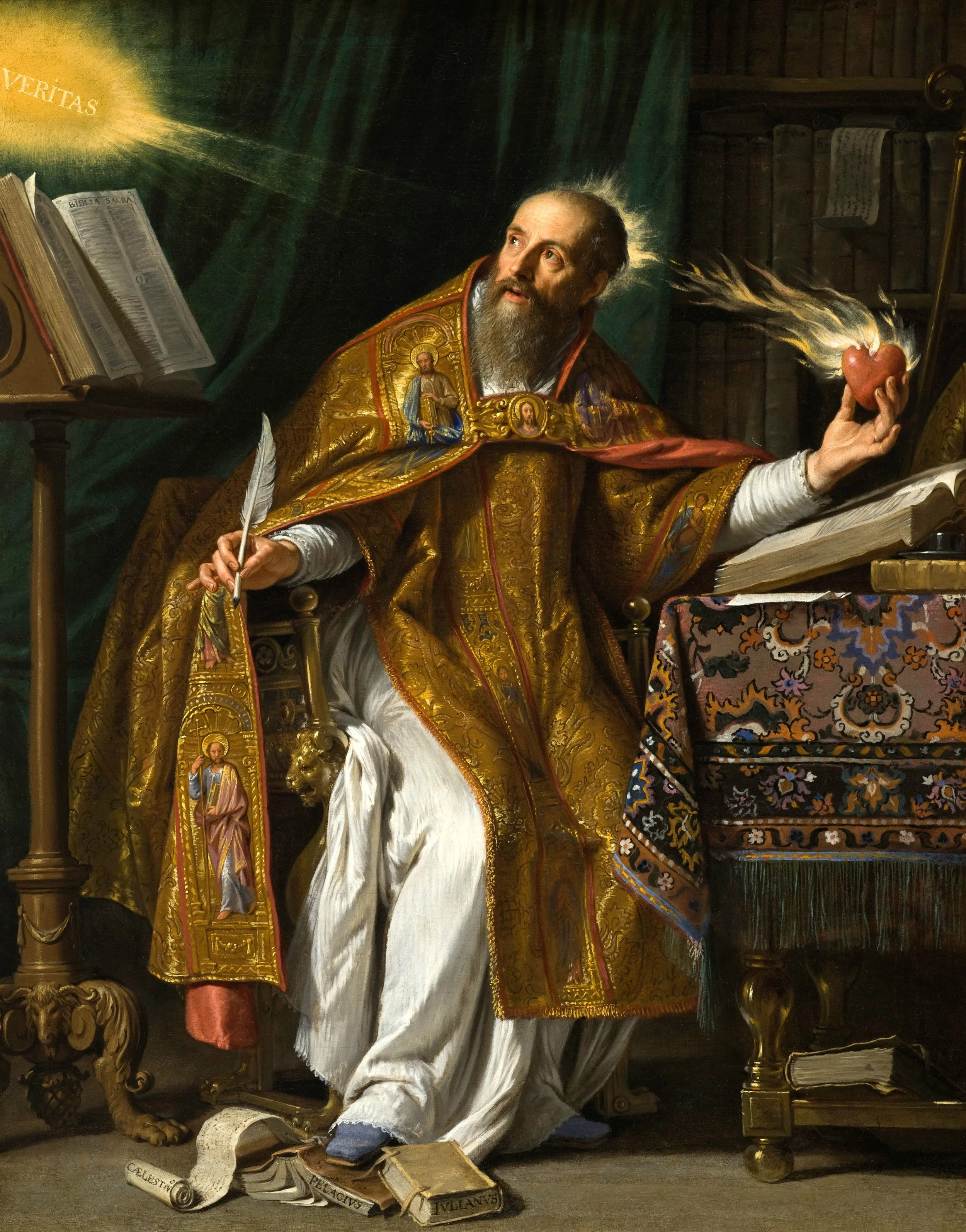
How Christianity First Reached Africa: Pre-Colonial Missions and African Responses
Before colonialism, Africa was already shaping Christianity. When European missionaries finally arrived, they didn’t introduce a new faith—they entered a continent that could accept, reshape, or reject them. This is the untold story of power, negotiation, and belief that defined the very first missionary encounters in Africa.